Safety Risks to Know Before Bumper Repair in Chicago
Bumper repair carries real safety risks when damage hides behind the cover: crushed absorbers, misaligned sensors, and weak repairs that fail in the next hit. A proper inspection in Chicago catches those problems before your car goes back on the road.
Published
Part of our Bumper Repair service.
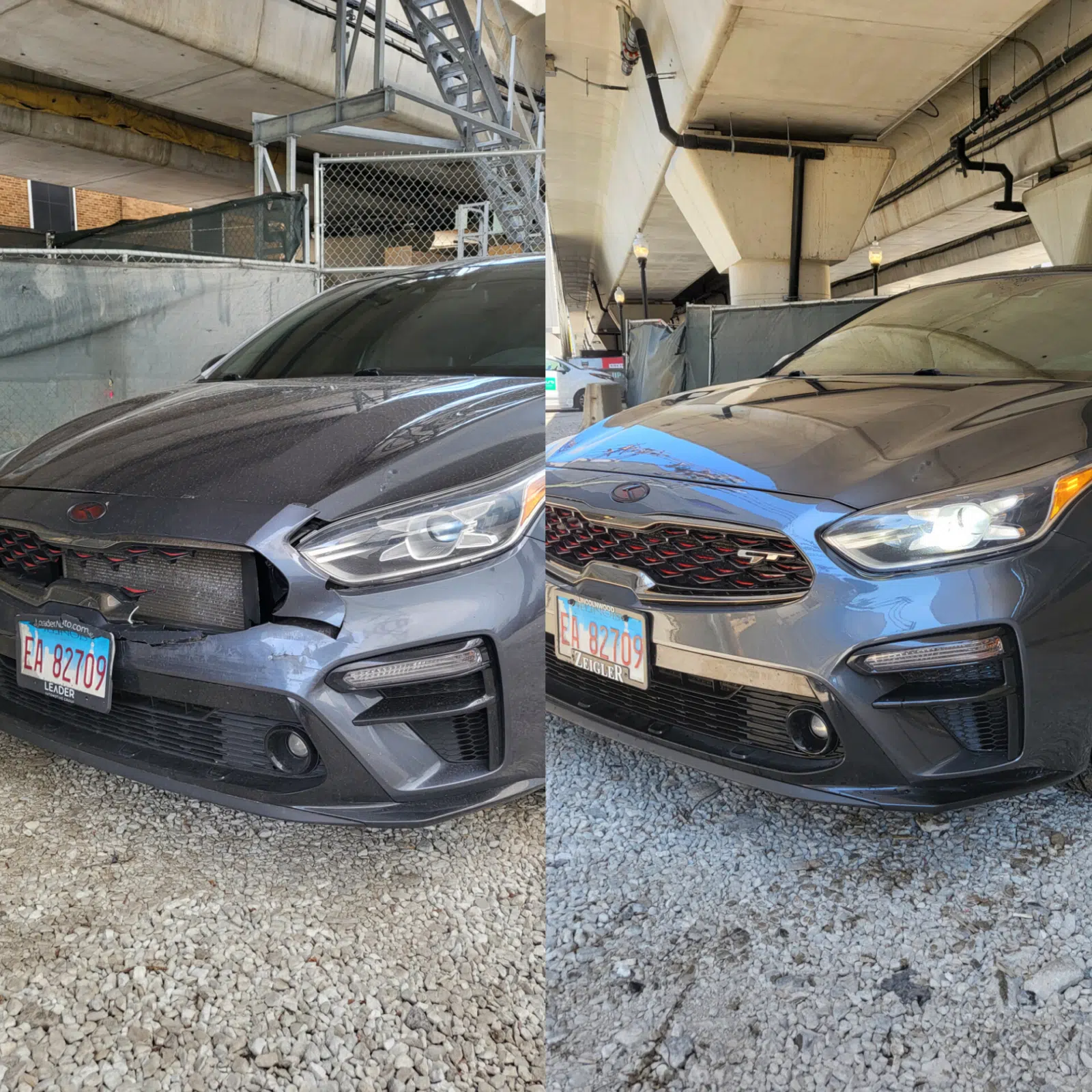
Why a Bumper Is a Safety Part, Not Just a Cover
Many drivers think of a bumper as cosmetic. It is not. Modern bumpers absorb impact energy and protect the radiator, headlights, and crash structure behind them. Luu's Auto Body in Chicago wrote this guide on safety risks to know before bumper repair in Chicago.
On a Chicago car, that cover also hides parking sensors, wiring, and the foam or honeycomb absorber behind it. When a shop treats the bumper as a paint job only, those parts stay damaged. Your car may look fine but absorb far less force in a second hit. At Luu's Auto Body, every bumper repair starts with what is behind the cover, not just what you can see.
Hidden Damage Behind an Undamaged Cover
This is the most common risk. A fender bender on Foster Ave or a parking scrape in Lincoln Park can leave the cover looking barely scuffed while the absorber behind it is crushed, the bracket is cracked, or the reinforcement bar is bent.
If a shop replaces or repaints only the cover, the structure underneath stays weak. Warning signs include a bumper that sits unevenly, clicks or pops over rough pavement, or no longer lines up with the fender. If the impact was hard enough to move the car, ask for a full inspection before any repair begins.
Sensor and Camera Problems After a Poor Repair
Most newer cars carry parking sensors, blind spot radar, or a rear camera mounted in or near the bumper. A repair that fills, sands, or repaints over a sensor without recalibrating it can leave you with false warnings or, worse, no warning at all.
The risk is easy to miss because everything looks correct. A bad backup sensor shows up exactly when you are reversing toward a person or a pole. Before you accept the car back, test every sensor and camera feature you normally use. A careful shop checks these functions as part of the repair, not as an afterthought.
Weak Repairs: Glue, Tape, and Improvised Fixes
Not all bumper repairs are equal. Plastic bumpers can be welded, but the repair needs the right material and technique for that specific plastic. A cover patched with adhesive from a parts store, or zip-tied to a broken bracket, may hold for a few weeks and then let go.
A failed repair on the highway is a real hazard: a loose cover can catch wind, detach, and become road debris. It can also block a sensor or shift out of alignment. If a previous fix is failing, it is worth having the bumper taken off and repaired properly rather than patched again.
Risks You Introduce With a DIY Repair
Small scuffs tempt Chicago drivers toward a do-it-yourself kit, and a light scratch is often fine to touch up at home. The risk grows with anything structural. Removing a bumper cover without disconnecting sensors or wiring can trigger fault codes or break fragile clips.
Paint repair done in a driveway rarely matches, and a mismatched bumper hurts resale value. Heat guns used to pop out dents can warp the plastic or melt the absorber behind it. If the damage goes past the surface, or the bumper has been off the car before, a professional look is the safer call.
Questions to Ask Before You Approve the Work
A few direct questions protect you, even with no technical background.
- Was the impact strong enough to damage anything behind the cover?
- Will the bumper be removed so brackets and the absorber can be inspected?
- Does my car have sensors or cameras in the bumper, and will they be checked after the repair?
- Will the repaired area be repainted and blended, or only touched up?
- Is repair possible, or does the damage truly need replacement?
A shop that answers these plainly is a shop you can trust with the work. Vague answers are a reason to keep looking.
When to Stop Driving and Get the Bumper Inspected
Some bumper damage is cosmetic and patient. Other damage is not. Pull the car from daily driving if the cover is hanging loose, if you hear dragging or scraping, if headlights sit crooked after a front hit, or if the bumper blocks a wheel or a sensor entirely.
Cracks that spread with every bump, and any hit that deployed no sensors but moved the car noticeably, also deserve a same-week inspection. Bring the car to Luu's Auto Body at 1125 W Foster Ave in Chicago, or call us at (773) 728-7432, and we will look behind the cover before we quote the fix. Our bumper repair team would rather find the small problem now than send you back out with a hidden one.
Ready to move forward? See our Bumper Repair service
Written by the Luu's Auto Body team.
Safety Risks to Know Before Bumper Repair in Chicago FAQs
Can a cracked bumper be repaired safely, or does it always need replacement?
Many cracks can be repaired safely. Plastic bumpers can be welded and reinforced from behind when the damage stays within the cover. Replacement makes more sense when brackets are broken, the absorber is crushed, or the crack runs into mounting points. A shop needs the bumper off the car to give you an honest answer either way.
Will bumper repair affect my parking sensors?
It can, if the sensors are removed, painted over, or disturbed without being checked afterward. Sensors sit in or behind the cover, and even a fresh coat of paint at the wrong thickness can affect how they read. A careful shop verifies every sensor works before you drive away, and you should test them yourself too.
What signs point to damage behind my bumper cover?
Watch for a bumper that sits unevenly, gaps against the fender, or pops and clicks over rough roads. After any impact that moved the car, assume something behind the cover may be hurt. The only way to know for sure is to remove the cover and inspect the absorber, brackets, and reinforcement bar.
Is it safe to drive with a loose bumper in Chicago traffic?
No. A loose cover can shift, block a sensor or headlight, or tear off at highway speed and become debris for the car behind you. If the bumper moves when you push on it or drags on the ground, get it inspected before your next drive rather than risking it in traffic.
Still have a question about your car? Ask us directly